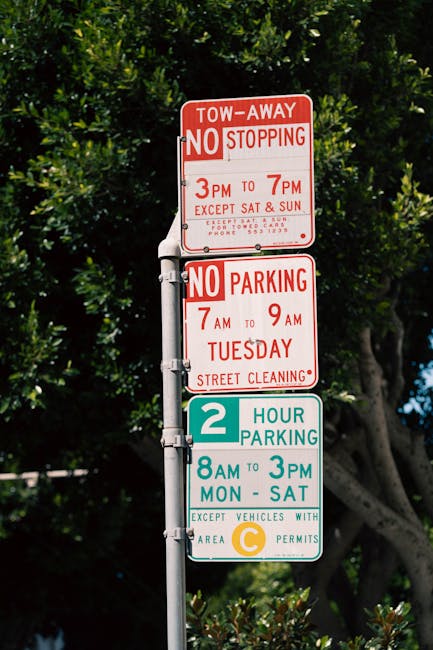
How to apply for skip and waste permits in SW12
If you are planning a clearance, refurbishment, or a big tidy-up in SW12, the permit side of things can feel oddly more stressful than the waste itself. That is usually the case, to be fair. The skip is the obvious part; the paperwork, placement rules, timing, and potential nuisance issues are what catch people out. This guide explains How to apply for skip and waste permits in SW12 in plain English, so you can make the right call without wasting time or risking a fine, a delay, or an awkward conversation with a neighbour.
We will cover what a permit is, when you need one, how the process typically works, what to prepare before you apply, and when it may be smarter to use an alternative waste solution instead. If you are comparing options for a home clear-out, building project, or business job, you may also find it useful to review waste removal options and builders waste clearance as part of your planning. Let's get into it properly.
Table of Contents
- Why it matters
- How the permit process works
- Key benefits and practical advantages
- Who this is for and when it makes sense
- Step-by-step guidance
- Expert tips for better results
- Common mistakes to avoid
- Tools, resources and recommendations
- Law, compliance, standards and best practice
- Options and comparison table
- Case study or real-world example
- Practical checklist
- Conclusion
- Frequently asked questions
Why How to apply for skip and waste permits in SW12 Matters
In SW12, space is often the main issue. Streets can be tight, parking is limited, and a skip placed on the road can affect residents, deliveries, and access in a way that people notice very quickly. If you put a skip on the public highway without the right permission, you may face removal, extra charges, or enforcement action. Nobody wants that sort of surprise in the middle of a project.
A waste permit matters because it helps you stay on the right side of local rules while keeping the job moving. If you are clearing a loft, remodelling a flat, or handling waste from a small building project, the permit question is not a side issue. It is part of the job plan. And honestly, it is usually easier to deal with it early than to sort it out after the skip has already arrived.
There is also a practical side. Good planning avoids wasted labour, blocked entrances, and complaints from neighbours who just want to get their car in or out. A properly arranged permit can be the difference between a calm two-day clear-out and a week of avoidable hassle.
How How to apply for skip and waste permits in SW12 Works
The basic idea is simple: if the skip sits on private land, such as a driveway or yard, you may not need a permit. If it sits on the public road, you usually do. The exact permission process depends on the location, the highway authority or local rules involved, and the type of waste container or skip being used.
In practical terms, the process tends to involve a few core steps:
- checking whether the skip will be on private or public land
- confirming the size and type of container you need
- making sure the placement will not block access, sightlines, or traffic flow
- submitting a permit application through the proper channel
- waiting for approval before the skip is delivered
Many people assume "waste permit" means one single thing, but there can be a difference between a skip permit, a licence to place a container on the highway, and the wider waste carrier responsibilities attached to the job. That distinction sounds boring until it is the reason a delivery is rejected. Then it suddenly becomes very interesting.
If your waste is from an office, shop, or trade setting, you may also want to consider business waste removal or office clearance if the project is more about furniture, files, or general workspace decluttering than heavy rubble. Different waste streams often call for different handling.
Key Benefits and Practical Advantages
Applying correctly for a permit gives you more than compliance. It gives you control. And in a busy part of London, control is worth a lot.
- Fewer delays: the skip can be delivered and placed without awkward last-minute changes.
- Better neighbour relations: everyone knows what is happening and for how long.
- Lower risk: a safe, authorised placement is less likely to cause issues with passing traffic or pedestrians.
- Smoother project scheduling: waste can be removed in line with your works, not held up by admin.
- Less stress: you are not guessing whether a container is allowed where it sits.
There is a quieter benefit too. Good waste planning often makes the whole project feel more professional. Whether you are doing a modest home clear-out or coordinating a trade job, the site or property simply runs better when the waste solution is sorted in advance.
Expert summary: if the skip needs to go on the road, do the permit check first, not last. That one habit prevents a surprising amount of hassle, especially on narrower SW12 streets where access matters.
Who This Is For and When It Makes Sense
This guide is for anyone in SW12 who needs to dispose of a meaningful amount of waste and is considering a skip, a container on the road, or a similar setup. That could be a homeowner, landlord, tenant, builder, decorator, facilities manager, or small business owner. In our experience, the most common situations are:
- house clearances before a sale, tenancy change, or renovation
- builders clearing plasterboard, timber, or rubble after a project
- garden jobs involving soil, hedge cuttings, and bulky green waste
- garage or loft clear-outs where bags and bulky items pile up fast
- office moves or fit-outs that produce desks, chairs, and mixed waste
It also makes sense when you have more waste than a normal bin collection can handle, but not enough to justify a fully managed clearance service. That middle ground is where skips are often considered. Still, there are plenty of cases where a skip is not the best answer. If access is tight, parking is scarce, or you need fast collection without permit delays, a direct clearance service may be simpler.
For example, a flat in SW12 with no driveway and residents' parking outside may be more suitable for a scheduled collection than a road skip. If that sounds like your situation, you might compare it with flat clearance or even home clearance, depending on what you are removing. Sometimes the cleaner route is the smarter one. Truth be told, that happens more often than people expect.
Step-by-Step Guidance
Here is a practical way to approach the process without overcomplicating it.
1. Confirm where the skip will go
Start with the location. Private driveway? Usually easier. Public road? Then a permit or licence check is likely needed. This first step saves time because everything else depends on it.
2. Estimate the waste type and volume
Different waste types can affect skip choice, loading rules, and pricing. Heavy materials such as rubble and soil need careful sizing because a small skip can become too heavy very quickly. Mixed household waste is different from builders' waste, and bulky furniture is different again.
If your project involves old furniture, it may be worth checking furniture disposal or furniture clearance as alternatives, especially if you want the items gone without organising a skip at all.
3. Check access and safety issues
Think about pedestrians, sightlines, dropped kerbs, street furniture, and where the lorry will stop. A skip is a bulky object, and the placement has to make sense in real life, not just on paper. A decent rule of thumb: if it feels awkward to walk past it, it may be awkward to permit.
4. Gather the details needed for the application
You will usually want the exact location, likely dates, skip size, contact details, and any delivery instructions. Sometimes extra information is needed if the site is near a junction, bus stop, school, or other sensitive access point.
5. Apply before delivery
Do not leave the permit until the morning the skip is due. That is where projects start sliding. Build in a buffer for approval and scheduling, especially if you are working to a moving deadline like a tenancy handover or a builder's start date.
6. Confirm the placement conditions
Permits often come with conditions, such as reflective markings, lights if the skip remains overnight, time limits, or restrictions on where it can stand. Read those conditions carefully. They are not decorative.
7. Load the skip properly
Keep waste level with the top edge unless your provider explicitly allows otherwise. Do not overfill. Uneven or unsafe loading can create collection issues and safety risks.
8. Arrange collection or extension if needed
If the job runs longer than expected, arrange an extension rather than hoping nobody notices. Projects do drift. That is normal. What matters is handling the drift properly.
Expert Tips for Better Results
There are a few small things that make a big difference.
- Plan the waste by category before you start. Separate bulky items, green waste, rubble, and general rubbish where practical.
- Measure access early. A skip that fits in theory but not in practice causes headaches for everyone.
- Think about neighbours. A quick heads-up can go a long way if parking will be affected for a day or two.
- Keep the loading area clear. It sounds obvious, but clutter around the skip often creates avoidable safety issues.
- Match the service to the job. Don't use a permit-heavy route for a job that would be better handled through a collection service.
If your work includes a lot of mixed household items, a broader clearance can sometimes be easier than a skip. For larger property jobs, house clearance, garage clearance, or loft clearance may be more efficient. The right choice often comes down to time, access, and how much lifting you want to do yourself. Let's face it, not everyone wants to be hauling old boxes down the stairs at 7 a.m.
One more thing: if the waste comes from trade work, talk to the people generating the waste as early as possible. A builder who knows a skip is arriving can stage the waste better, which usually means fewer wasted journeys and less mess around the property.
Common Mistakes to Avoid
These are the mistakes that cause the most avoidable friction.
- Assuming a driveway always means no permit issue: access rules can still matter depending on the exact setup.
- Leaving the permit too late: delivery can be pushed back while paperwork is sorted.
- Choosing the wrong skip size: too small means overflow; too large can be wasteful.
- Mixing prohibited items with general waste: some materials need special handling.
- Ignoring loading limits: an overfilled skip can be unsafe and may not be collected.
- Forgetting about street constraints: bins, lampposts, junction visibility, and parking all matter.
A subtle one is underestimating how quickly waste builds up. You start with a couple of bags, then there is a broken wardrobe, a few old shelves, and suddenly the front room sounds like a small recycling depot. It happens.
Tools, Resources and Recommendations
You do not need fancy tools to handle the permit side well, but a few simple resources help a lot:
- Measuring tape: useful for checking space, access width, and skip positioning.
- Phone camera: take photos of the proposed placement area before you book.
- Project notes: keep a basic list of waste types and timing so you do not forget details during the application.
- Calendar reminders: helpful for permit expiry dates, delivery times, and collection windows.
If you are budgeting for a wider clearance, it can also help to review pricing and quotes so you can compare the cost of a skip against other removal methods. For jobs where heavy lifting, loading, and recycling are all part of the brief, a managed collection can sometimes be better value than it first appears.
For environmentally minded projects, the recycling and sustainability page is worth keeping in mind too. Good waste planning is not just about disposal. It is also about making sure useful material is handled properly and unnecessary waste is reduced.
Law, Compliance, Standards and Best Practice
Waste management in the UK comes with duties around safe handling, legal disposal, and responsible transport of waste. You do not need to become a compliance expert to arrange a skip, but you do need to make sensible choices. The main thing is to use authorised, traceable waste services and follow the permit conditions for any highway placement.
Best practice usually includes:
- making sure waste is collected and disposed of by a proper service
- keeping the skip placement safe and authorised
- separating hazardous or restricted materials where required
- avoiding fly-tipping risks by checking who handles the waste
- keeping records of quotes, booking details, or job notes for your own reference
If you are managing work for a business or rental property, the compliance side matters a bit more because your responsibilities do not stop at convenience. For example, a landlord clearing a property may need to think about duty of care and documentation. A business fitting out an office will usually care about access, security, and timing as much as disposal itself. That is where a trustworthy provider and clear booking terms help. You can also review terms and conditions and the company's health and safety policy if you want to understand expectations before booking.
And if a provider is handling items that need particular care, it is reassuring to know they should have clear processes around insurance and safety. That sort of detail is easy to overlook until the day something awkward happens. Better to check now.
Options, Methods, or Comparison Table
There is no single right answer for every SW12 waste job. Here is a simple comparison to help you decide.
| Option | Best for | Pros | Watch-outs |
|---|---|---|---|
| Skip on private land | Properties with a driveway or yard | Convenient, straightforward, often no road permit needed | Needs enough space and safe access |
| Skip on public road | Jobs with limited private space | Useful where driveway space is unavailable | Usually requires a permit and careful placement |
| Man-and-van or waste collection | Smaller or mixed jobs | Less hassle, no skip taking up road space | May require more coordination if the job is large |
| Full property clearance | Lofts, flats, garages, houses, offices | Hands-off and efficient for bulky items | May cost more than a simple container hire, depending on volume |
If the job is mostly furniture or household clutter, a clearance service can be cleaner and quicker than a permit-led skip setup. For example, garden clearance is often easier when cuttings, soil bags, broken planters, and general green waste are removed directly rather than slowly stacked in a skip. The best method depends on what you are removing and how much time you have.
Case Study or Real-World Example
Imagine a small terraced property in SW12 where the owners are refreshing the kitchen and clearing out the loft at the same time. The front drive is too short for a standard skip, so the natural temptation is to place one on the road. That is where the permit check matters.
They first map the waste: old cabinets, packaging, a broken chest of drawers, some plaster debris, and a pile of loft storage that has quietly grown over the years. Rather than ordering a skip immediately, they assess the access route, measure the frontage, and realise the road placement will need authorisation and careful timing. Because the job also includes bulky furniture, they decide to mix methods: direct removal for the larger household items and a smaller, permitted solution for the building waste.
The result is not dramatic, just calm. No blocked gate. No overfilled container. No scramble on collection day. The work moves along, the neighbours are not annoyed, and the street still looks like a normal street by the end of the week. That sort of smooth outcome is what good planning buys you. Not glamour, just less mess and less stress.
Practical Checklist
Use this before you book anything.
- Confirm whether the skip will be on private or public land
- Measure the available space and access width
- List the waste types you need to remove
- Check whether any items need special handling
- Decide whether a skip or a clearance service is more suitable
- Plan the start date, permit window, and collection date
- Review placement conditions carefully
- Keep the load level and safe
- Allow for delays if the project could run over
- Keep notes of your booking, dates, and contact details
If you are still unsure which route fits your property or project, it can help to speak with a team that handles different clearance types regularly, including furniture clearance, office clearance, and general waste removal. That broader view often makes the right solution clearer.
Get a free quote today and see how much you can save.
Conclusion
Getting to grips with How to apply for skip and waste permits in SW12 is really about planning well, not paperwork for paperwork's sake. Once you know whether the skip sits on private land or the highway, the rest becomes much easier to manage. A little early preparation can prevent delays, improve safety, and save you from the kind of last-minute panic that turns a simple job into a long afternoon.
Whether you are clearing a house, handling trade waste, or trying to keep a renovation tidy, the smartest move is usually the one that fits your space, timing, and waste type best. Sometimes that is a skip permit. Sometimes it is a different removal method altogether. Either way, thoughtful planning wins. And that, honestly, is half the battle.
Frequently Asked Questions
Do I need a permit for a skip in SW12?
If the skip is placed on a public road or highway, a permit is usually needed. If it stays entirely on private land, such as a driveway or yard, you may not need one. The exact rules depend on the placement, so check before booking.
How long does a skip permit take to arrange?
That can vary depending on the authority and the booking route. It is best not to leave it to the last minute. Allow extra time so the skip can be delivered when your project is ready, not the other way round.
Can I put a skip outside my house without permission?
Not if it is on the road or another public area. Putting a skip out without the right permission can cause problems, including removal or enforcement action. If in doubt, treat the placement as something to check first.
What happens if my skip is overfilled?
An overfilled skip may not be collected safely. Waste should usually stay level with the top edge unless the provider specifically says otherwise. Overfilling can create transport and safety issues, so it is worth avoiding.
Is a skip always the best option for waste in SW12?
No. For some jobs, direct clearance or collection is better. For example, if you are removing bulky household items or furniture from a flat with poor access, a clearance service may be simpler than organising a road permit.
What kind of waste is not suitable for a normal skip?
Some waste needs special handling, particularly hazardous or restricted items. The exact list can vary, so it is sensible to check before loading anything unusual. When in doubt, separate it and ask first.
Can I use a skip for builders' waste?
Yes, often you can, but builders' waste can be heavy and may affect the size of skip you need. Materials like rubble, soil, and plasterboard can add weight quickly, so sizing and loading matter more than people expect.
What if I only have a small amount of waste?
If the amount is modest, a full skip may be unnecessary. A smaller collection or a targeted clearance service can be more cost-effective and less disruptive, especially in a busy street or tight residential area.
Will a skip affect parking outside my property?
It can, yes. That is one reason permits and placement planning matter. If parking is already limited in your part of SW12, think carefully about the impact on neighbours, deliveries, and access before you commit.
How do I choose between skip hire and waste removal?
Think about access, volume, waste type, and how much work you want to do yourself. Skip hire is useful when you have space and ongoing waste generation. Waste removal is often better when you want the items taken away in one go with less coordination.
Can I combine a skip with a house or garage clearance?
Yes, but it should be planned properly. If you are dealing with mixed items, a fuller clearance may actually reduce the need for a skip, especially when there are bulky items that are awkward to load by hand.
What should I do if I am not sure whether my property needs a permit?
Start by checking where the container will sit and whether any part of it will be on the public road. If it is still unclear, it is safer to treat it as a permit question rather than assume it is fine. A few minutes of checking can save a lot of trouble later.