SW12 house clear-outs: guide for residents near Balham station
If you live in SW12 and you're staring at a spare room, a packed loft, or a house that has simply gathered too much over the years, you're not alone. House clear-outs near Balham station can feel straightforward on paper and oddly overwhelming in real life. There's the sorting, the lifting, the parking question, the "where did all this come from?" moment, and then the part nobody enjoys: figuring out what should be reused, recycled, donated, or removed responsibly.
This guide brings that all together in plain English. It explains how a house clearance usually works in SW12, what makes Balham-area properties a little different, and how to avoid common mistakes that cost time and money. You'll also find practical steps, local considerations, and a few useful comparisons so you can decide whether to tackle the job yourself or bring in professionals. Truth be told, a good clear-out is often less about brute force and more about having a calm plan.
For many residents, the best approach is to start with a proper house clearance service and then narrow down support for specific areas, such as a loft clearance, garage clearance, or even a focused furniture disposal job. That flexibility matters when you live near the station, where access, timing, and neighbour considerations can make all the difference.
Table of Contents
- Why SW12 house clear-outs near Balham station matter
- How a house clearance works in practice
- Key benefits and practical advantages
- Who this is for and when it makes sense
- Step-by-step guidance
- Expert tips for better results
- Common mistakes to avoid
- Tools, resources and recommendations
- Law, compliance, standards and best practice
- Options, methods and comparison table
- Case study: a real-world Balham-style clear-out
- Practical checklist
- Conclusion
- Frequently asked questions
Why SW12 house clear-outs: guide for residents near Balham station Matters
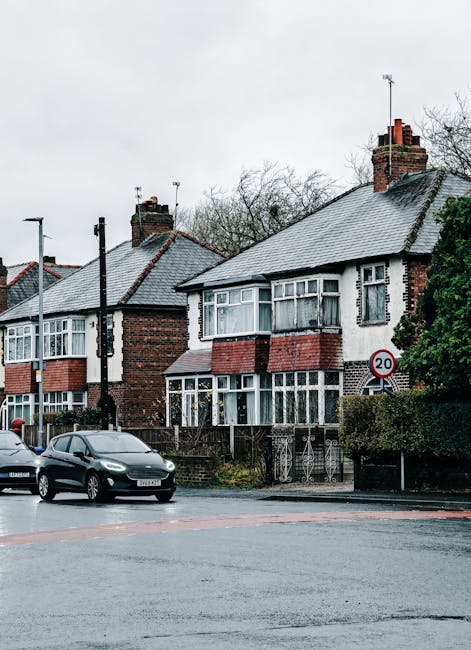
Balham and the wider SW12 area have a mix of Victorian and Edwardian homes, converted flats, compact terraced streets, and properties where storage space can disappear surprisingly fast. That matters because a house clear-out is rarely just a "remove the rubbish" job. It can involve furniture, white goods, loft contents, garden debris, papers, clothing, and items with sentimental value that need to be handled carefully.
Near Balham station, logistics matter too. Roads can be busy, parking may be tight, and stairwells in converted properties are often narrow. If you've ever tried to move a wardrobe down a cramped landing on a damp January morning, you'll know the feeling. It's not glamorous. It's just hard work, and sometimes a bit of a faff.
A well-managed clear-out helps in several ways:
- It reduces clutter and makes the property safer to walk through.
- It supports faster preparation for sale, letting, refurbishment, or inheritance administration.
- It improves sorting, so usable items can be separated from waste.
- It helps avoid fly-tipping, unsafe lifting, and incorrect disposal.
It also brings a calmer headspace. That sounds a little soft, maybe, but in practice it's true. Once the main piles are gone, decisions become easier. Rooms look larger. Next steps feel more manageable. And that can be a huge relief if you're dealing with a life change rather than just a spring clean.
If you need a broader service that covers the whole property, a home clearance can be a better fit than removing items room by room. If you're dealing with mixed waste as well as furniture, pairing it with waste removal can simplify the job further.
How SW12 house clear-outs: guide for residents near Balham station Works
A house clearance typically starts with an assessment of what needs to go, what can be retained, and what requires special handling. The best operators will look at access, parking, stairs, lift availability if relevant, item volume, and whether any pieces are bulky, fragile, or heavy. In some cases they may also ask whether the clear-out involves a probate property, a tenant move-out, or a general declutter, because the level of sorting can vary quite a bit.
In practice, the process often looks like this:
- Initial enquiry and estimate. You describe the property, the items, and the access situation.
- On-site or photo-based review. This helps confirm the volume and any complications.
- Scheduling. A date is agreed, usually with attention to parking and timing.
- Sorting and separation. Items are grouped for reuse, recycling, disposal, or donation where suitable.
- Removal and clean-up. The property is left clear of the agreed items, and any remaining debris is tidied.
One thing people sometimes underestimate is how much the access route changes the whole job. A ground-floor flat with a rear entrance is a different proposition from a top-floor conversion above a shop. Near Balham station, that distinction matters. It affects labour, time, parking strategy, and sometimes the equipment required.
For smaller or more targeted jobs, a specialist service may be more efficient. A room full of broken chairs and storage bits might suit furniture clearance, while an overcrowded top floor could be better handled as a loft clearance. The point is not to force every property into one box. The right method should fit the property, not the other way around.
Key Benefits and Practical Advantages
There's a reason people search for clear-out help before they ever book removals. A proper house clearance does more than empty rooms. It reduces stress, saves time, and gives you a cleaner starting point for whatever comes next.
Here are the main advantages for SW12 residents:
- Time saved: Sorting and moving items yourself can take days, sometimes weeks.
- Less physical strain: Heavy lifting is where many DIY clear-outs go wrong.
- Better reuse and recycling: Items in decent condition can be diverted from landfill where possible.
- Cleaner handover: Useful when selling, renting out, or preparing for decorators.
- One coordinated visit: Especially handy when the property contains a mix of furniture, clutter, and general waste.
There's also a practical emotional benefit. A house clearance can help close a chapter cleanly. That may sound sentimental, but if you've ever had to clear a family property or manage a long-postponed declutter, you'll know the feeling. One room at a time, the place starts to breathe again.
For people who are replacing old pieces or clearing out after a refurbishment, it can be useful to review recycling and sustainability guidance so the job doesn't become a simple dump-and-run. The better operators think about the afterlife of items, not just the speed of removal. That's increasingly what residents expect, and fair enough too.
Who This Is For and When It Makes Sense
House clear-outs in SW12 are relevant to a surprisingly wide range of residents. You do not need to be dealing with a dramatic life event for them to make sense. Sometimes a house just fills up because life happens. Stuff accumulates. Boxes go into the loft. A broken sofa gets pushed to the side. Garden tools gather in the shed. Then one day, it all feels too much.
This guide is especially useful if you are:
- moving house or preparing a property for sale
- emptying a rental after tenants leave
- clearing a family home after bereavement
- downsizing to a smaller flat near Balham station
- dealing with years of accumulated furniture and household waste
- planning a renovation and need rooms fully emptied first
It also helps if you only need a partial clearance. For example, maybe the kitchen stays, but the spare room, shed, and garage need attention. In that case, a mixed approach using garage clearance or a focused furniture clearance may be more efficient than booking one big all-or-nothing job.
When does it make sense to act? Usually sooner than people think. If the clutter is blocking access, attracting damp, making cleaning hard, or holding up a property transaction, waiting often makes it more stressful. A small delay can quickly become a larger job. That's just how it goes.
Step-by-Step Guidance
Here's a practical way to approach a house clear-out without turning it into a weekend of frustration and half-filled bin bags.
- Walk through the whole property. Make a quick note of every room, cupboard, loft space, and outside area that needs attention.
- Separate items into clear groups. Keep, donate, recycle, remove, and unsure. The "unsure" pile should be small, ideally.
- Identify bulky or awkward items. Wardrobes, mattresses, old desks, broken appliances, and heavy shelving need extra planning.
- Check access and parking. Near Balham station, this can be the difference between a smooth job and a very annoying one.
- Take photos for quotes. Good images reduce guesswork and help a provider plan labour and vehicle space.
- Confirm timing. If neighbours, noise, or shared entrances are involved, choose the most considerate window possible.
- Prepare valuables and documents. Keep passports, financial papers, jewellery, and sentimental items aside before any removal begins.
- Let the team remove in stages. A sensible team will work methodically, not just rush through and hope for the best.
A useful rule of thumb: if an item could be reused safely, ask about that first. If it is broken, contaminated, or unsafe to move, treat it as waste. Simple, but it saves headaches. And if you're unsure, ask. There's no prize for guessing.
For many households, a full clear-out is easiest when combined with a service already set up for residential jobs, such as flat clearance for converted properties or house clearance for complete homes. It keeps the scope clear, which is half the battle.
Expert Tips for Better Results
A few small decisions can make the difference between a tidy, efficient clearance and one that drags on all day. These are the things that tend to matter in real life, not just on paper.
- Photograph problem items early. Old sofas, damp boxes, and awkward sheds often surprise people at the last minute.
- Label what must stay. A simple "do not remove" note saves awkward mistakes.
- Keep a clear path. If the hallway is cluttered, moving becomes slower and more risky.
- Group by room. It helps both sorting and cost control.
- Ask about recycling routes. Not every item ends up in the same place, and that's a good thing.
- Plan for the weather. London rain and cardboard do not get along. At all.
Another quiet but valuable tip: clear the things you need first. That includes charging cables, medications, keys, and paperwork. People often leave those until the end, then spend twenty minutes searching for them under a mountain of "useful stuff". Been there, regretted it.
If you're clearing a property with a lot of mixed contents, it can help to compare broader options such as home clearance for residential interiors and waste removal for general disposal. Matching the service to the item type is a simple way to avoid paying for the wrong kind of help.
Common Mistakes to Avoid
House clear-outs go wrong for a few predictable reasons. None of them are dramatic on their own, but together they can create a mess.
- Leaving sorting until collection day. That usually leads to rushed decisions.
- Forgetting access constraints. Narrow stairs, permits, and shared entrances matter more than people expect.
- Mixing valuable items with waste. Once the bags start moving, mistakes become expensive.
- Assuming every item can be recycled. Some items need specialist handling or separate treatment.
- Choosing a service without checking the scope. A furniture-only job is not the same as a full property clearance.
One of the most common issues near Balham station is underestimating access. A short walk from the van sounds fine until you realise the van cannot stop directly outside, the lift is tiny, and the staircase has a sharp turn halfway down. In a situation like that, the labour changes quickly. So does the timing.
There's also the "I'll sort it later" problem. If the plan is to donate a chair, recycle some shelves, and deal with a loft full of boxes another time, later has a habit of never arriving. Better to create a clear plan for each category now, even if it takes an extra half hour.
Tools, Resources and Recommendations
You do not need a van full of specialist equipment to begin, but a few simple tools make the process far easier. Think of this as the practical kit for staying organised rather than a shopping list for the sake of it.
- Heavy-duty bin bags for light waste and soft items
- Marker pens and labels for sorting by room or priority
- Work gloves for dusty lofts, garages, and garden spaces
- Tape measure for checking bulky furniture against doorways
- Phone camera for quote photos and keeping a record of what stays
- Sturdy boxes for documents, keepsakes, and donation items
From a service perspective, a few useful pages can help you narrow the right route. If the job is mostly a room full of old chairs, beds, or sofas, furniture clearance is worth exploring. If you are clearing larger outdoor or storage spaces, garage clearance or loft clearance may be the better fit. For anything related to booking, timing, or getting a clearer idea of the likely scope, the pricing and quotes page is a sensible place to start.
And if you want to understand the company background before booking, the about us page can help with that. A lot of people skip this step, then wonder who they've actually hired. Not ideal, really.
Law, Compliance, Standards, or Best Practice
House clear-outs involve more than lifting and loading. In the UK, there are sensible legal and best-practice expectations around waste handling, safety, and responsible disposal. The exact requirements can vary depending on the type of material, access arrangements, and whether any items are hazardous or need specialist treatment.
As a resident, the main thing to watch is this: do not assume every item can simply be left on the pavement or put out with ordinary household waste. Some items may need separate collection, and improper disposal can create issues for both you and the environment. If a clear-out includes electrical items, sharp materials, paint, or anything that looks hazardous, it should be flagged early.
Good practice usually includes:
- clear communication about what is being removed
- safe lifting and carrying methods
- appropriate sorting of recyclable materials
- care around protected documents and personal information
- respect for shared spaces, neighbours, and local access rules
It is also sensible to check a provider's safety and insurance information before booking. If a team is moving heavy items through tight stairs, that matters. You can review the site's health and safety policy and insurance and safety information if you want extra reassurance. For trust and payment handling, the payment and security page can also be useful.
If your property is in a shared building or converted flat, being considerate is part of the job too. Quiet timing, clear routes, and minimal disruption go a long way. Small things, but they matter.
Options, Methods, or Comparison Table
There is no single right way to handle a house clear-out. The best method depends on how much needs removing, how quickly it needs to happen, and how much help you have available. Here's a straightforward comparison.
| Approach | Best for | Pros | Trade-offs |
|---|---|---|---|
| DIY clear-out | Small volumes, light items, flexible timing | Lower direct cost, full control | Time-consuming, physical effort, disposal logistics on you |
| Partial service | Specific rooms or item types | Good balance of control and support | Needs clear planning so nothing is missed |
| Full house clearance | Complete property emptying, probate, moves, refurbishments | Fast, coordinated, less stress | Usually the most involved option, so planning matters |
If the property includes a mix of items, a combined approach can be smarter. For example, you might use furniture disposal for the bulky pieces, then arrange broader waste removal for leftovers and general debris. That is often more efficient than trying to make one service do everything badly. Simple logic, really.
Case Study or Real-World Example
Imagine a typical SW12 home a short walk from Balham station: a two-bedroom terraced property with a loft, a small garden, and a front room that has slowly become a storage area. There are two old armchairs, a broken desk, several boxes of books, unused sports gear, and a loft that has not been properly sorted in years.
The homeowner wants the property ready for decorating and eventual sale. They do not want to spend three weekends carrying items downstairs, and they definitely do not want the hallway to become a staging zone for half-disassembled furniture. Fair enough.
A sensible plan would be:
- sort keep/donate/remove items before the clearance
- take photos of the loft and larger furniture for an accurate quote
- book a service that can handle both bulky items and mixed waste
- clear the access route so removal is quicker and safer
- hold back documents, keys, chargers, and personal items before the team arrives
In a case like this, the job may be best approached as a home clearance with additional support from loft clearance if the storage area is particularly packed. That gives the homeowner a clean result without the usual back-and-forth of trying to guess which item belongs where. And after the work is done, the space feels different. Quieter, even.
Practical Checklist
Use this checklist to keep your SW12 clear-out on track. It works whether you're tackling one room or the entire property.
- Walk through every area that needs clearing
- Separate keep, donate, recycle, remove, and unsure items
- Set aside valuables, documents, and sentimental belongings
- Measure bulky items and note tight staircases or doorways
- Check parking and access near the property
- Take photos for an accurate quote
- Confirm whether you need full clearance or a targeted service
- Ask about recycling, reuse, and responsible disposal
- Make sure neighbours or building management are informed if needed
- Keep the entrance, hallway, and main route clear
- Review booking, payment, and terms before you confirm
Expert summary: the smoothest clear-outs usually come from careful sorting, honest communication about access, and choosing the right service for the right job. The more specific you are at the start, the easier the day itself becomes. That's the honest truth.
Conclusion
For residents near Balham station, a house clear-out is rarely just a logistics task. It is part organisation, part decision-making, and part relief. Whether you're clearing a loft, preparing a family home, or finally dealing with a room that has been used as "temporary storage" for far too long, the best results come from steady planning and realistic expectations.
The key is to avoid rushing, separate what matters, and choose a clearance method that fits your property. Some jobs need a full house clearance; others are better handled through a more focused service like furniture clearance or garage clearance. A little thought at the start saves a lot of backache later. And in SW12, with narrow access and busy streets, that planning really pays off.
If you want a smoother, safer, and more organised result, reach out early, ask the right questions, and choose a provider that treats recycling, access, and safety as part of the job rather than an afterthought. That's what turns a stressful pile of stuff into a proper fresh start.
Get a free quote today and see how much you can save.
Sometimes the hardest part is beginning. Once you do, the space starts giving something back.
Frequently Asked Questions
What is included in a house clear-out near Balham station?
A house clear-out usually includes removing unwanted furniture, household items, general clutter, and mixed waste from the property. Depending on the service, it may also include sorting, loading, and light tidying after removal.
How much does a SW12 house clearance cost?
Costs usually depend on the volume of items, access, labour required, and whether any bulky or specialist waste is involved. The most reliable way to estimate is to request a tailored quote based on photos or an inspection.
Do I need to be present during the clearance?
Not always. Many residents prefer to be there at the start to confirm what stays and what goes, then step away once the plan is clear. For larger or more sensitive clear-outs, being available can help avoid mistakes.
Can a house clearance include lofts, garages, and gardens?
Yes, if you arrange it that way. It is common to combine the main house with areas like lofts, garages, sheds, or gardens, especially when the property has built up storage over time.
What happens to furniture after it is removed?
That depends on the condition of the items and the provider's process. Where possible, reusable furniture may be separated for reuse or recycling, while damaged items are handled as waste. Responsible sorting is a good sign.
Is a house clearance the same as waste removal?
Not quite. Waste removal is usually broader and may cover general rubbish, while house clearance is more property-focused and often includes furniture, household contents, and room-by-room organisation.
How long does a clear-out usually take?
It varies a lot. A small flat can sometimes be cleared quickly, while a full house with loft access, narrow stairs, or large furniture can take much longer. Access and sorting requirements are often the biggest time factors.
What should I do before the team arrives?
Set aside valuables, documents, keys, medications, and any items you want to keep. It also helps to clear pathways and confirm parking or access details in advance. A little prep makes the whole process smoother.
Can I book a clearance for a probate property?
Yes, many house clear-outs are arranged for probate or estate-related situations. These jobs often need a careful, respectful approach, especially where family belongings and important paperwork are involved.
What if I only need one room cleared?
That is very common. You do not need to book a whole-house service if you only need one room, a loft, or a garage cleared. A more focused service is often more cost-effective and easier to manage.
Are there items that need special handling?
Yes. Electrical items, sharp materials, paint, and other potentially hazardous items may need separate attention. If you are unsure, mention them early so the clearance can be planned safely.
How do I choose a reliable provider?
Look for clear pricing, good communication, sensible safety information, and a proper explanation of what is included. It also helps to check pages like insurance and safety, health and safety policy, and terms and conditions before booking.